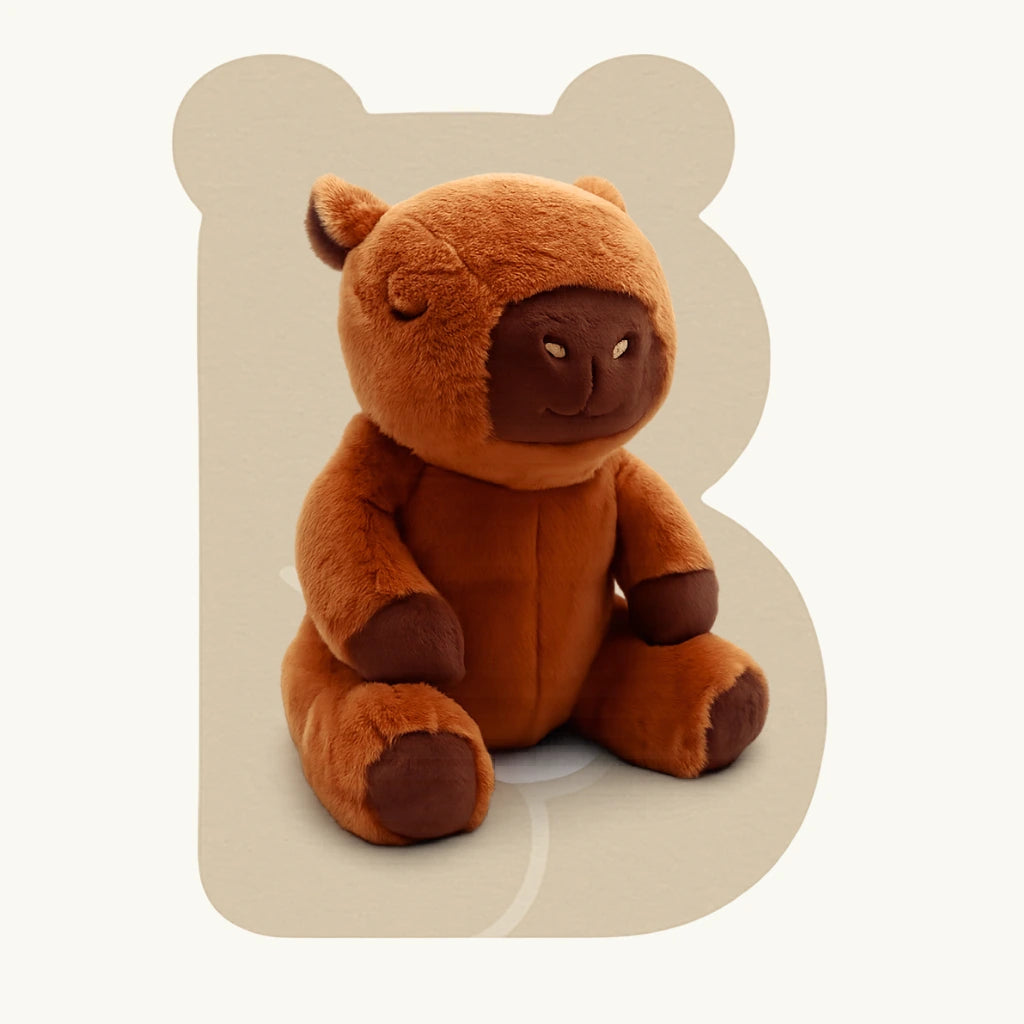

Does a weighted stuffed animal help with dementia?
Dementia not only affects memory, but also emotions, behavior, and the sense of safety. People with dementia may feel confused, restless, or anxious, especially when situations become less recognizable. For family members and informal caregivers, it is often a challenge to find ways to contribute to more peace and comfort.
Weighted products are increasingly being used as a tool in daily care. In particular, the question of whether a weighted plush toy can help with dementia is frequently asked. Although a weighted plush toy cannot treat or slow down dementia, many people with dementia experience more peace, security, and relaxation when holding a weighted plush toy.
Why a weighted plush toy can offer peace and comfort for people with dementia
People with dementia often experience changes that cause uncertainty. Memories fade, daily activities become more complicated, and familiar situations can suddenly feel confusing.
This uncertainty can lead to feelings of tension, restlessness, or anxiety. That is precisely why recognition, structure, and comfort are so important.
A weighted plush toy for dementia can contribute to a feeling of safety because it is a tangible and familiar object. The soft materials and light weight provide a pleasant physical experience that many people find reassuring.
The power of deep pressure stimulation
 Weighted plush toys use deep pressure stimulation. This is an even pressure on the body that feels similar to a firm hug.
Many people find this pressure calming. The body receives a clear and predictable stimulus, which can help to reduce tension and restlessness.
For people with dementia, who are regularly confronted with confusion or overstimulation, this form of sensory support can feel pleasant.
A pleasant activity for the hands
Many people with dementia need something to hold or occupy themselves with. A weighted plush toy offers a tangible activity without complicated actions.
The soft material invites them to hold, feel, and cuddle. This often shifts attention from restless thoughts or behavior to a pleasant sensory experience.
Emotional support
For some people with dementia, a weighted plush toy feels like familiar company. It gives them something to hold during quiet moments and can provide a sense of security.
Informal caregivers regularly report that their loved one visibly relaxes when a weighted plush toy is used during moments of rest.
Who is a weighted plush toy suitable for in cases of dementia?
Every person with dementia is different. What works well for one person may not automatically have the same effect on another. Nevertheless, there are various situations in which a weighted plush toy can offer support.
Elderly people living at home

People who still live independently or are cared for at home can use a weighted plush toy during moments of rest on the sofa or before going to sleep. This can contribute to a feeling of comfort throughout the day.
Residents of care institutions
Weighted plush toys are also increasingly being used in residential care centers as part of person-centered care. They offer residents something familiar and tangible that can provide peace in an environment where a lot is happening.
People who are sensitive to tension
When dementia is accompanied by anxiety, uncertainty, or restlessness, a weighted plush toy can offer an accessible form of support.
Practical tips for informal caregivers and family members
When you want to introduce a weighted plush toy to someone with dementia, it is important to do so in a relaxed manner.
Let the person discover it themselves
Do not force its use. For example, place the weighted plush toy next to the person on the sofa or calmly hand it to them during a relaxed moment. Many people will pick up the toy out of curiosity.
Use the plush toy during fixed moments
Structure provides guidance. Therefore, it can be pleasant to use the weighted plush toy during:
- Resting moments during the day
- Watching television
- Reading aloud
- Listening to music
- Before going to sleep
Observe the reaction
Pay attention to how someone reacts. Does the person become calmer? Do they like to hold the plush toy? Or does it seem to have no added value? Every experience is unique.
Weighted plush toy for dementia: valuable support for more peace
A weighted plush toy for dementia can be a valuable addition for people who need more peace, comfort, and security. Thanks to the soft materials and deep pressure stimulation, many users experience a sense of safety and relaxation during moments of restlessness or confusion.
Although a weighted plush toy does not treat dementia, it can contribute to a more pleasant daily experience for both the person with dementia and their informal caregivers. The simplicity, recognizability, and physical proximity make it a valuable tool for many people.
Are you curious which weighted plush toy might be suitable for your loved one? Then take a look at the collection of weighted plush toys.